
Quick answer: Eyes often feel drier in autumn because humidity drops, cool winds speed up tear evaporation, and indoor heating starts. If gritty, burning, or watery eyes last more than a few weeks despite artificial tears, an eye exam can identify the type of dry eye and guide treatment.
As the air turns crisp across Goyang, many people notice their eyes stinging during a walk around Lake Park, feeling tired after an evening of screens, or watering unexpectedly in the wind. Dry eye is one of the most common reasons people visit an eye clinic, yet it is often underestimated. This guide explains why dry eye flares in autumn, how to tell what type you have, and which treatments are available.
What Is Dry Eye Disease?
Dry eye disease is a condition in which the tear film, the thin layer that coats and protects the eye surface, becomes unstable or insufficient. A healthy tear film has three layers:
- Lipid (oil) layer: made by the meibomian glands in the eyelids; slows evaporation.
- Aqueous (water) layer: made by the lacrimal glands; provides moisture and nutrients.
- Mucin layer: helps tears spread evenly across the cornea.
When any layer is disrupted, the eye surface becomes irritated and inflamed, which can create a cycle of worsening symptoms.
Two main types
- Evaporative dry eye: the most common type, usually caused by meibomian gland dysfunction (MGD), where oil glands are blocked or produce poor-quality oil.
- Aqueous-deficient dry eye: the lacrimal glands do not produce enough tears, sometimes linked to age, hormonal changes, or autoimmune conditions such as Sjögren’s syndrome.
Many people have a mix of both.
Why Does Dry Eye Get Worse in Autumn?
- Lower humidity: autumn air in the Seoul metropolitan area becomes drier, and tears evaporate faster.
- Wind and temperature changes: cool winds strip moisture from the eye surface.
- Indoor heating: heated, enclosed rooms reduce indoor humidity further.
- Fine dust and seasonal allergens can inflame the eye surface.
- Screen time: we blink up to roughly half as often when concentrating on screens, and many blinks are incomplete.
Common Dry Eye Symptoms
- Gritty or sandy feeling, as if something is in the eye
- Burning or stinging
- Redness
- Blurred vision that clears with blinking
- Eye fatigue, especially in the afternoon
- Sensitivity to light or wind
- Excessive watering: this surprises many people, but reflex tearing is a common response to a dry, irritated surface
- Discomfort with contact lenses
How Is Dry Eye Diagnosed?
Because dry eye has several causes, a proper diagnosis helps avoid months of trial-and-error with eye drops. Tests may include:
Tear break-up time (TBUT)
A small amount of dye shows how quickly the tear film becomes unstable after a blink.
Corneal staining
Dye highlights areas of surface damage on the cornea and conjunctiva.
Schirmer test
Measures how much aqueous tear the eye produces.
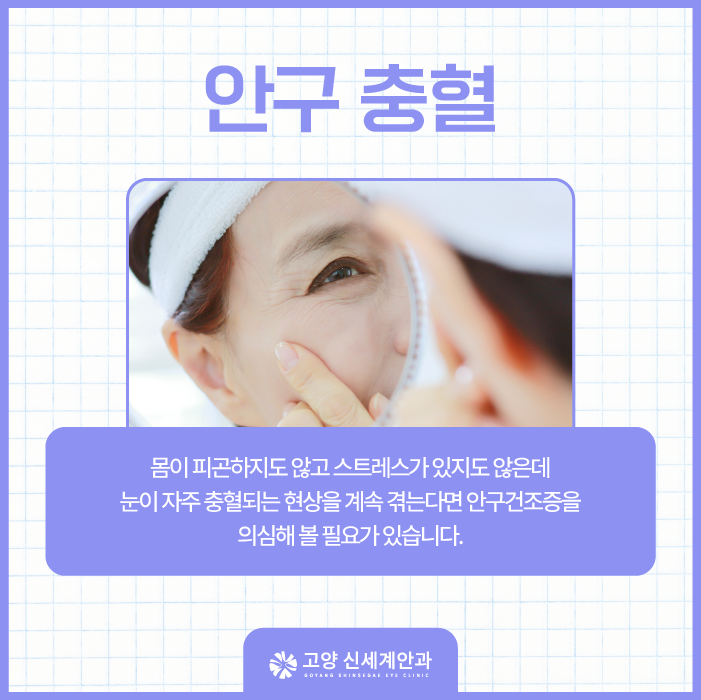
Meibomian gland evaluation
The eyelid margins are examined, and gland imaging (meibography) can show whether oil glands are blocked or shrinking.
Review of medications and health
Antihistamines, some blood-pressure medications, antidepressants, hormone changes, and autoimmune disease can all contribute.
Dry Eye Treatment Options
Treatment is tailored to the type and severity of dry eye. Common steps include:
1. Daily habits and environment
- Use a humidifier at home and at work.
- Follow the 20-20-20 rule: every 20 minutes, look 20 feet (about 6 meters) away for 20 seconds.
- Position screens slightly below eye level to reduce the exposed eye surface.
- Wear wraparound glasses on windy days.
- Stay hydrated and avoid direct heater airflow toward your face.
2. Artificial tears and gels
Preservative-free artificial tears are generally preferred for frequent use. Thicker gels or ointments may help at night.
3. Eyelid care for MGD
Warm compresses and gentle lid hygiene help soften and clear blocked oil glands.
4. Prescription anti-inflammatory drops
For moderate to severe dry eye, ophthalmologists may prescribe drops such as cyclosporine or other agents that target surface inflammation.
5. In-office treatments
For evaporative dry eye related to MGD, in-office options may include intense pulsed light (IPL) and thermal pulsation treatments that warm and express the meibomian glands. Punctal plugs may be considered to retain tears in aqueous-deficient cases. Suitability and response vary, and your doctor will discuss whether these options fit your condition.
What Is New in Dry Eye Treatment?
Research into dry eye is active. Recent developments in the United States include:
- Acoltremon 0.003% (Tryptyr), approved by the US FDA in May 2025, a TRPM8 agonist eye drop designed to stimulate natural tear production.
- Perfluorohexyloctane (Miebo), approved by the US FDA in 2023 for dry eye, works by limiting tear evaporation.
- TearCare, a thermal eyelid device, received an expanded FDA indication in August 2026 to improve meibomian gland function in adults with evaporative dry eye due to MGD, when combined with manual gland expression.
- Not every candidate succeeds: reproxalap received a third FDA complete response letter in March 2026 for insufficient efficacy evidence.
Please note: FDA approvals are US regulatory decisions. Many of these products are not approved or available in Korea, and new drugs may never be launched here. Your ophthalmologist can explain which treatments are available locally and appropriate for you.
When Should You See an Eye Doctor?
Book an exam if:
- Symptoms last more than two to three weeks despite artificial tears
- You need drops more than four to six times a day
- Vision blurs frequently or contact lenses become intolerable
- You have dry mouth or joint pain as well (possible autoimmune link)
- You are planning LASIK, LASEK, or cataract surgery, because a healthy tear film improves measurement accuracy
Seek prompt care for severe pain, marked light sensitivity, or sudden vision loss, which may signal infection or corneal injury rather than simple dryness.
Frequently Asked Questions
Why do my eyes water if I have dry eye?
When the eye surface becomes dry and irritated, it can trigger reflex tearing. These watery tears lack the oil and mucin needed to stay on the eye, so they run off quickly without relieving dryness.
Are preservative-free artificial tears better?
For people who use drops frequently, preservative-free artificial tears are generally gentler on the eye surface. Occasional users may tolerate preserved drops, but frequent use is best discussed with an ophthalmologist.
Can dry eye be cured permanently?
Dry eye is often a chronic condition that is managed rather than cured. With the right diagnosis and consistent care, many people experience meaningful relief, though results vary.
Does dry eye affect vision correction surgery?
Yes. Dry eye can affect the accuracy of pre-surgery measurements and may temporarily worsen after LASIK or LASEK. It is usually evaluated and treated before surgery.
What is meibomian gland dysfunction?
Meibomian gland dysfunction is a blockage or change in the oil glands of the eyelids. It reduces the oil layer of the tears, causing faster evaporation, and is the most common cause of evaporative dry eye.
Key Takeaways
- Autumn dryness, wind, indoor heating, and screen use commonly worsen dry eye.
- Dry eye can cause watering as well as grittiness, burning, and blurred vision.
- Most dry eye involves meibomian gland dysfunction; proper testing guides treatment.
- Treatments range from habits and artificial tears to prescription drops and in-office therapies such as IPL.
- New US-approved dry eye products may not be available in Korea; ask your ophthalmologist about local options.
Medical disclaimer: This article is provided for general health information and education only. It is not a diagnosis or a substitute for an in-person examination. Suitability of any test or treatment, and its results, differ from person to person, and every procedure carries potential risks and side effects. Please consult an ophthalmologist about your own eyes. Regulatory approvals mentioned (such as US FDA decisions) apply only to the jurisdiction named, and the products discussed may not be approved or available in Korea.
Goyang Shinsegae Eye Clinic (고양신세계안과)
- Address: 6F Haengsin Square, 126 Chungjang-ro, Deogyang-gu, Goyang-si, Gyeonggi-do, Korea
- Phone: 031-8076-9999
- Hours: Mon–Fri 09:00–18:30 · Sat 09:00–14:00 · Lunch 13:00–14:00 · Closed Sundays