

Quick answer: LASIK creates a thin corneal flap for fast visual recovery, LASEK reshapes the corneal surface without a flap and preserves more corneal strength but heals more slowly, and SMILE removes tissue through a small keyhole incision. The right choice depends mainly on your corneal thickness and shape, prescription, tear film, and lifestyle, which are assessed in a detailed pre-operative exam.
Many young adults in Haengsin-dong and across Deogyang-gu start researching vision correction when glasses become a nuisance at work, during exercise, or under a mask. Online comparisons can be confusing, and each procedure has its own strengths and trade-offs. This guide explains how LASIK, LASEK, and SMILE work, how they differ, and what decides which one is suitable.
How Laser Vision Correction Works
All three procedures correct nearsightedness (myopia) and astigmatism, and some correct farsightedness, by reshaping the cornea, the clear front window of the eye. Changing the cornea’s curvature changes how light focuses on the retina. The difference lies in how the laser reaches the corneal tissue.
LASIK: Flap-Based Correction
How it works
- A femtosecond laser creates a thin hinged flap in the cornea.
- The flap is lifted.
- An excimer laser reshapes the underlying corneal tissue.
- The flap is laid back down, where it adheres without stitches.
Pros
- Fast visual recovery, often within a day or two
- Minimal discomfort after surgery
Cons and considerations
- The flap does not fully regain original strength, so flap displacement after significant eye trauma is possible
- Requires adequate corneal thickness
- May temporarily worsen dry eye
LASEK (Surface Ablation): No Flap
How it works
- The thin outer layer of the cornea (epithelium) is removed or loosened. In transepithelial techniques, the laser removes it directly without touching the eye with instruments.
- The excimer laser reshapes the corneal surface.
- A bandage contact lens protects the eye while the epithelium regrows over several days.
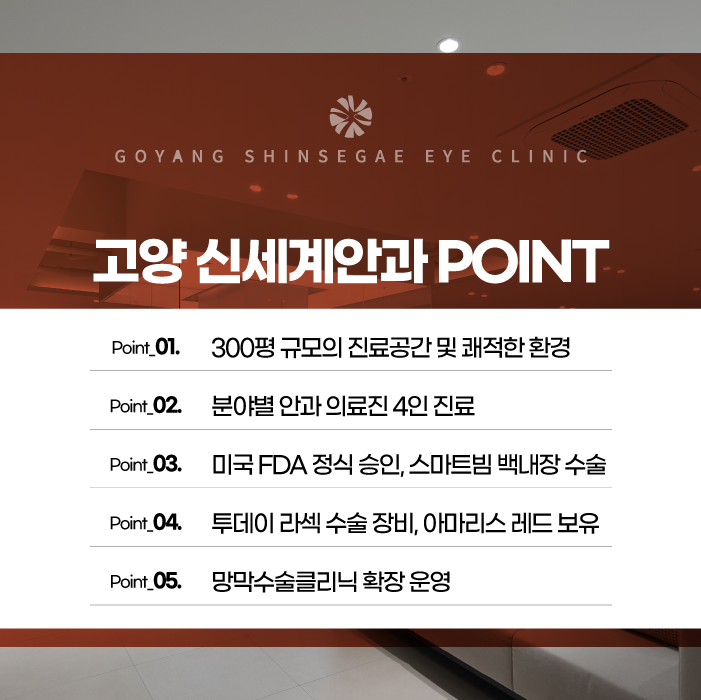
Our clinic performs surface ablation using the SCHWIND AMARIS Red excimer laser platform, which includes eye-tracking technology designed to follow small eye movements during treatment.
Pros
- No flap, so no flap-related complications
- Preserves more corneal tissue and structural strength
- Often suitable for thinner corneas
- A common choice for people in contact sports, the military, or physically active jobs
Cons and considerations
- Discomfort, light sensitivity, and watering for the first few days
- Vision improves gradually over days to weeks
- Requires careful use of post-operative drops and UV protection to reduce the risk of corneal haze
SMILE: Small Incision Lenticule Extraction
How it works
- A femtosecond laser creates a thin lens-shaped piece of tissue (lenticule) inside the cornea.
- The surgeon removes the lenticule through a small incision, typically a few millimeters wide.
- Removing the lenticule changes the corneal shape.
Pros
- No large flap and a small incision
- Fast recovery for many patients
- Fewer corneal nerves are cut than with LASIK, which may mean less early dry eye for some
Cons and considerations
- Primarily treats myopia and astigmatism; range is more limited for other errors
- Enhancement (touch-up) procedures can be more complex
- Requires specific femtosecond laser equipment; not every clinic offers it, so ask which procedures are available
Side-by-Side Comparison
| Factor | LASIK | LASEK | SMILE |
|---|---|---|---|
| Flap | Yes | No | No (small incision) |
| Early recovery | Fast | Slower (days to weeks) | Fast |
| Early discomfort | Mild | Moderate for a few days | Mild |
| Corneal strength preserved | Less | More | Intermediate to more |
| Suitable for thinner corneas | Less often | Often | Depends on measurements |
| Contact sports | Caution | Often preferred | Generally suitable |
Every eye is different. This table is a general guide, not a recommendation.

What Decides Which Procedure Is Right for You?
A comprehensive pre-operative evaluation usually includes:
- Corneal thickness (pachymetry): determines how much tissue can safely be treated.
- Corneal topography and tomography: maps the shape and detects early keratoconus, which can make laser surgery unsafe.
- Refraction with and without dilating drops: confirms a stable, accurate prescription.
- Pupil size and higher-order aberrations: relevant for night vision.
- Tear film and dry eye assessment: existing dry eye should be treated first.
- Retinal examination: especially important for people with high myopia, to check for thin or weak areas.
- Lifestyle discussion: sports, occupation, and expectations.
When laser surgery may not be suitable
- Very thin or irregular corneas, or signs of keratoconus
- Very high prescriptions beyond safe laser limits
- Unstable prescription, pregnancy, or breastfeeding
- Certain autoimmune or uncontrolled systemic conditions
In these cases, an implantable contact lens (ICL) may be discussed as an alternative.
Recovery Tips After Any Laser Procedure
- Use prescribed drops exactly as directed.
- Avoid rubbing your eyes.
- Wear sunglasses outdoors to protect the healing cornea.
- Avoid swimming pools, saunas, and eye makeup for the period your doctor advises.
- Attend all follow-up visits, even if vision feels good.
Frequently Asked Questions
Which is safer, LASIK, LASEK, or SMILE?
All three are established procedures with good safety records when patients are carefully selected. The safest option is the one that best matches your corneal measurements, prescription, and lifestyle, as determined by a thorough pre-operative exam.
Which laser eye surgery has the fastest recovery?
LASIK and SMILE generally offer faster early visual recovery than LASEK, which takes several days for the surface layer to heal and up to a few weeks for vision to stabilize.
Is LASEK better for thin corneas?
Because LASEK does not create a flap, it usually preserves more corneal tissue and strength, so it is often considered for thinner corneas. Final suitability depends on detailed measurements.
Can I have laser eye surgery if I have dry eye?
Mild dry eye can often be treated before surgery. Significant dry eye may affect which procedure is recommended or whether laser surgery is advisable.
What if I am not a candidate for laser vision correction?
Implantable contact lenses (ICL) or other approaches may be options. An ophthalmologist can explain alternatives based on your eye measurements.
Key Takeaways
- LASIK uses a flap for quick recovery; LASEK has no flap and preserves more corneal strength; SMILE uses a small keyhole incision.
- Corneal thickness, shape, prescription, tear film, and lifestyle determine suitability.
- LASEK recovery is slower but is often preferred for thinner corneas and contact sports.
- Not every clinic offers every procedure; ask what is available and why it suits you.
- A thorough pre-operative exam, including retinal checks, matters more than choosing a procedure by name.
Medical disclaimer: This article is provided for general health information and education only. It is not a diagnosis or a substitute for an in-person examination. Suitability of any test or treatment, and its results, differ from person to person, and every procedure carries potential risks and side effects. Please consult an ophthalmologist about your own eyes. Regulatory approvals mentioned (such as US FDA decisions) apply only to the jurisdiction named, and the products discussed may not be approved or available in Korea.
Goyang Shinsegae Eye Clinic (고양신세계안과)
- Address: 6F Haengsin Square, 126 Chungjang-ro, Deogyang-gu, Goyang-si, Gyeonggi-do, Korea
- Phone: 031-8076-9999
- Hours: Mon–Fri 09:00–18:30 · Sat 09:00–14:00 · Lunch 13:00–14:00 · Closed Sundays