

Quick answer: The most common early signs of cataracts are gradually blurry or “foggy” vision, stronger glare from headlights or sunlight, faded colors, and needing frequent glasses changes. If these appear after age 50, a dilated eye exam with a slit-lamp check can confirm whether a cataract is the cause.
Many adults in Ilsan first notice something is off while doing ordinary things: reading a menu in a dim restaurant, driving home through Ilsan after dark, or watching TV and feeling that the picture has lost its sharpness. Because cataracts develop slowly, the change is easy to blame on tiredness or “just getting older.” This guide explains what a cataract is, the early signs to watch for, how it is diagnosed, and when it makes sense to book an exam.
What Is a Cataract?
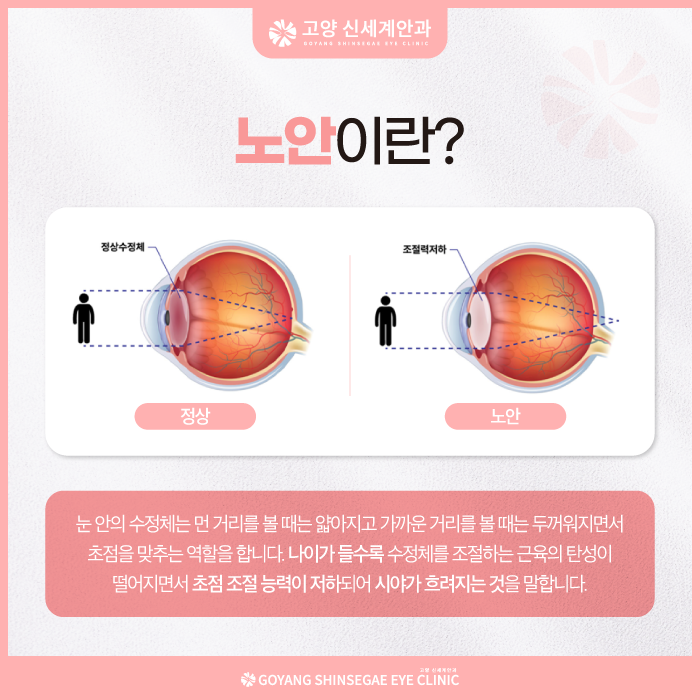
A cataract is a clouding of the eye’s natural lens, the clear structure behind the iris that focuses light onto the retina. With age, proteins in the lens gradually change and clump together, and the lens becomes yellowed, hazy, or less flexible. Light then scatters instead of focusing cleanly, which is why vision becomes blurred or glary.
Main types of age-related cataract
- Nuclear cataract: clouding in the center of the lens. It often makes distance vision blurry and can temporarily make near vision better (sometimes called “second sight”).
- Cortical cataract: wedge-shaped opacities that start at the edge of the lens and point inward. These commonly cause glare.
- Posterior subcapsular cataract: a haze at the back of the lens. It can progress faster and often affects reading and bright-light vision. It is more common with diabetes or long-term steroid use.
Early Signs of Cataracts You Should Not Ignore
Cataract symptoms vary from person to person, but these are the most frequently reported early signs:
- Blurry or cloudy vision that glasses no longer fully correct.
- Glare and halos, especially from oncoming headlights or streetlights at night.
- Faded or yellowed colors, for example white objects looking slightly yellow.
- Frequent prescription changes within a short period.
- Needing more light to read than you used to.
- Double vision in one eye (monocular double vision) that does not go away when the other eye is covered.
- Sudden improvement in near vision without glasses, which may point to a developing nuclear cataract.
Signs that need prompt attention
Cataracts usually progress over months to years and are painless. Sudden vision loss, eye pain, flashes of light, a shower of new floaters, or a shadow over part of your vision are not typical cataract symptoms. These can signal retinal or glaucoma emergencies and should be checked the same day.
Who Is at Higher Risk?
Age is the biggest factor, but several things can bring cataracts on earlier:
- Diabetes
- Long-term use of steroid medications (tablets, inhalers, or eye drops)
- Smoking
- Years of unprotected UV exposure
- Previous eye injury, eye surgery, or inflammation
- High myopia (strong nearsightedness)
- Family history of early cataracts
How Are Cataracts Diagnosed?
A cataract cannot be confirmed by symptoms alone, because dry eye, macular disease, and glaucoma can cause similar complaints. A comprehensive exam typically includes:
Visual acuity and refraction
Measures how well you see at distance and near, and whether a new prescription would help.
Slit-lamp examination
A microscope with a bright light lets the ophthalmologist see the lens directly and grade the type and density of the cataract.
Dilated fundus exam and OCT
Eye drops widen the pupil so the retina and optic nerve can be examined. Optical coherence tomography (OCT) scans the macula to check whether another condition is contributing to blurred vision. This matters because a cataract operation cannot fix vision lost to retinal disease.
Biometry (if surgery is being considered)
If you and your doctor decide surgery is appropriate, precise measurements of eye length and corneal curvature are taken to calculate the power of the intraocular lens (IOL).
Do Early Cataracts Need Surgery Right Away?
Not necessarily. In the early stage, updated glasses, better lighting, and anti-glare lenses may be enough. Surgery is generally considered when the cataract interferes with daily life, such as driving, reading, working, or moving safely, or when it blocks the doctor’s view of the retina for monitoring other conditions.
The old idea of waiting until a cataract is “ripe” no longer applies in most cases. Very dense cataracts can make surgery more complex, so regular monitoring helps you and your doctor choose a sensible time.
What surgery involves, in brief
Modern cataract surgery removes the cloudy lens through a small incision, usually using ultrasound (phacoemulsification), and replaces it with an artificial intraocular lens. Lens choices range from monofocal lenses to extended depth of focus (EDOF) and multifocal designs. Each has trade-offs, and suitability depends on your eye health and lifestyle. Like any surgery, cataract surgery carries risks, and results differ between individuals.
Practical Tips While You Monitor Early Cataracts
- Wear UV-blocking sunglasses outdoors.
- Use brighter, glare-free lighting for reading.
- Reduce night driving if glare makes you uncomfortable.
- Keep blood sugar well controlled if you have diabetes.
- Do not stop prescribed steroid medications on your own; discuss concerns with your doctor.
- Book follow-up exams as recommended, usually every 6 to 12 months.
When Should Ilsan Adults Book an Eye Exam?
Consider a comprehensive eye exam if you are over 50 and notice any of the signs above, or if you have not had a dilated exam in the past one to two years. Adults with diabetes, high myopia, or a history of steroid use may benefit from earlier and more frequent checks. Our clinic in Haengsin-dong, Deogyang-gu, is a short drive from Ilsan, and a single visit can assess the lens, retina, and optic nerve together.
Frequently Asked Questions
What is usually the first symptom of a cataract?
For many people, the first symptom is gradually blurry or hazy vision, often with more glare from bright lights at night. Some people notice faded colors or need frequent changes in glasses first.
Can cataracts be reversed with eye drops or supplements?
No eye drop or supplement has been proven to reverse an existing cataract. Healthy habits such as UV protection and not smoking may help slow risk factors, but surgery is the only established treatment for a visually significant cataract.
At what age do cataracts usually start?
Age-related lens changes often begin in the 40s and 50s, and visually noticeable cataracts are common from the 60s onward. Diabetes, steroid use, eye injury, and high myopia can cause earlier onset.
Is blurry vision after 50 always a cataract?
No. Dry eye, presbyopia, macular degeneration, diabetic retinopathy, and glaucoma can also blur vision. A dilated eye exam with OCT helps identify the true cause.
How often should I have my eyes checked if I have an early cataract?
Many ophthalmologists recommend a check every 6 to 12 months, or sooner if your vision changes noticeably. Your doctor will set a schedule based on how quickly the cataract is progressing.
Key Takeaways
- Early cataract signs include blurry or foggy vision, glare and halos, faded colors, and frequent glasses changes.
- Cataracts are usually painless and slow; sudden vision loss or flashes need same-day care.
- Diagnosis requires a slit-lamp and dilated exam, ideally with OCT to rule out retinal disease.
- Early cataracts can often be managed with updated glasses and lighting; surgery is considered when daily life is affected.
- Adults in Ilsan over 50, especially with diabetes or high myopia, benefit from regular eye exams.
Medical disclaimer: This article is provided for general health information and education only. It is not a diagnosis or a substitute for an in-person examination. Suitability of any test or treatment, and its results, differ from person to person, and every procedure carries potential risks and side effects. Please consult an ophthalmologist about your own eyes. Regulatory approvals mentioned (such as US FDA decisions) apply only to the jurisdiction named, and the products discussed may not be approved or available in Korea.
Goyang Shinsegae Eye Clinic (고양신세계안과)
- Address: 6F Haengsin Square, 126 Chungjang-ro, Deogyang-gu, Goyang-si, Gyeonggi-do, Korea
- Phone: 031-8076-9999
- Hours: Mon–Fri 09:00–18:30 · Sat 09:00–14:00 · Lunch 13:00–14:00 · Closed Sundays