Hello, this is Goyang Shinsegae Eye Clinic.
Many patients preparing for cataract surgery at an eye clinic in the Gimpo area are primarily concerned about which intraocular lens (IOL) they should choose.
They often research various topics, from the differences between monofocal and multifocal lenses to the visual recovery process after surgery.
However, the surgical equipment used during cataract treatment is just as important as the type of intraocular lens selected.
During the removal of the cloudy natural lens, maintaining stable pressure inside the eye is essential.
Even small fluctuations in intraocular pressure can affect the delicate structures within the eye.
Today, we will take a closer look at the CENTURION Vision System developed by Alcon, exploring its functions, key features, and potential benefits for patients undergoing cataract surgery.

1. Why Is Intraocular Pressure Management Important During Cataract Surgery?
Cataracts develop when the eye’s natural crystalline lens becomes cloudy, resulting in blurred or impaired vision.
Cataract surgery involves removing the clouded natural lens and replacing it with an artificial intraocular lens.
During this procedure, ultrasound energy is used to break the cloudy lens into smaller fragments, which are then removed through suction.
However, this process can cause sudden fluctuations in intraocular pressure.
One particular concern is a phenomenon known as post-occlusion surge.
This occurs when the aspiration port becomes temporarily blocked and then suddenly clears, potentially causing a rapid drop in pressure inside the eye.
When intraocular pressure decreases abruptly, the surgical space may become unstable, and surrounding tissues may shift, increasing the risk of tissue damage.
Therefore, successful cataract surgery requires not only accurate removal of the cloudy lens but also careful maintenance of stable intraocular pressure throughout the procedure.
A stable surgical environment may help reduce unnecessary stress on delicate structures such as the cornea and posterior lens capsule.

2. What Is the CENTURION Vision System’s Real-Time Pressure Control Technology?
The CENTURION Vision System is an advanced phacoemulsification platform developed by Alcon, a global ophthalmic medical technology company.
One of its key features is the ability to actively manage intraoperative pressure and the flow of irrigation fluid during cataract surgery.
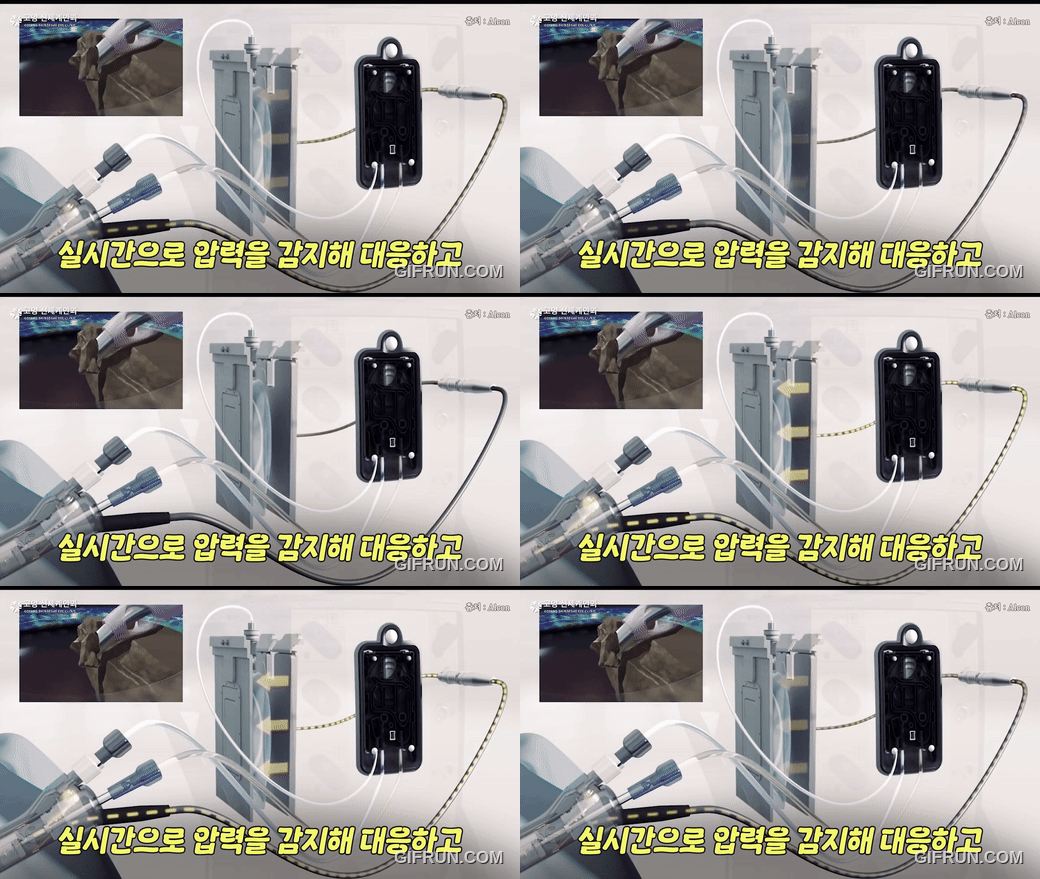
While some conventional systems operate primarily according to preset irrigation conditions, the CENTURION Vision System incorporates technology designed to adjust fluid delivery in response to pressure changes.
In simple terms, when intraocular pressure decreases or fluctuates during the removal of the cloudy lens, the system helps compensate for these changes to maintain a more stable surgical environment.
| Feature | Primary Function |
|---|---|
| Pressure management | Helps maintain the target intraocular pressure |
| Fluid flow control | Balances irrigation and aspiration |
| Surge management | Helps reduce sudden pressure drops |
| Surgical chamber stability | Supports a stable environment inside the eye |
A particularly important feature is its Active Fluidics technology, which is designed to respond dynamically to changes in intraocular pressure.
By actively regulating fluid delivery, this technology helps minimize sudden pressure fluctuations and supports a more controlled environment during cataract surgery.

3. Benefits of the CENTURION Vision System for Patients and Surgeons
Cataract surgery is performed through a small incision, requiring precise control of even subtle movements and pressure changes.
The CENTURION Vision System incorporates several features that may benefit both patients and ophthalmic surgeons throughout the procedure.

① Benefits for Patients
Reducing fluctuations in intraocular pressure during surgery may help minimize unnecessary stress on delicate tissues inside the eye.
Maintaining a stable surgical environment is particularly important for protecting surrounding structures, including the cornea and posterior lens capsule.
However, using this equipment does not guarantee the prevention of all postoperative complications, such as corneal edema or macular edema.
The likelihood of complications depends on multiple factors, including the patient’s eye condition and the complexity of the procedure.
② Benefits for Surgeons
Significant fluctuations in intraocular pressure may cause the anterior chamber to become shallow or surrounding tissues to move unexpectedly.
These changes can make precise surgical manipulation more difficult.
In contrast, maintaining stable pressure helps preserve adequate space within the eye, allowing surgeons to perform delicate procedures with greater control and precision.
③ Support for Precise Lens Removal
During the removal of the cloudy natural lens, maintaining an appropriate balance between aspiration and irrigation is essential.
The CENTURION Vision System helps regulate these fluid dynamics, supporting greater stability throughout the procedure.
The role of advanced cataract surgery equipment extends beyond simply removing the cloudy lens.
Its primary purpose is also to help maintain a stable and controlled environment inside the eye during surgery.

4. What Should You Check Before Cataract Surgery?
When considering cataract treatment, it is important to evaluate not only the type of intraocular lens but also the surgical environment and equipment used during the procedure.
Because the severity of cataracts and overall eye conditions vary among patients, an individualized treatment plan is essential.
Before undergoing cataract surgery, consider discussing the following points with your ophthalmologist:
- What type of cataract surgery equipment will be used?
- How are intraocular pressure and fluid flow managed during the procedure?
- What is the overall condition of the cornea, retina, and other ocular structures?
- Which intraocular lens is most suitable for your visual needs and lifestyle?
- What postoperative care and follow-up examinations will be necessary?
A comprehensive consultation can help patients better understand the procedure and make informed decisions about their treatment.
Q&A: Frequently Asked Questions
Q. Does using the CENTURION Vision System eliminate the risk of complications?
A. No, it does not.
The CENTURION Vision System may help maintain a stable surgical environment by reducing fluctuations in intraocular pressure.
However, the possibility of complications depends on various factors, including the patient’s individual eye condition, the severity of the cataract, and the complexity of the surgical procedure.
Therefore, advanced equipment cannot completely eliminate all surgical risks.
Q. Which is more important in cataract surgery: the surgical equipment or the intraocular lens?
A. Both play important roles in cataract treatment, and neither should be considered the sole determining factor.
Surgical equipment contributes to the stability and precision of the process used to remove the cloudy natural lens.
Meanwhile, the type of intraocular lens selected can influence postoperative visual quality and convenience in daily activities.
For this reason, both the surgical technique and the choice of intraocular lens should be carefully evaluated according to each patient’s needs.
Why Surgical Equipment Matters in Cataract Treatment
Cataract surgery involves more than simply removing a cloudy natural lens.
It is a delicate medical procedure that requires precise surgical techniques while maintaining a stable environment inside the eye.
The CENTURION Vision System is designed to actively regulate intraocular pressure and irrigation fluid flow, helping reduce post-occlusion surge and sudden pressure fluctuations during surgery.
However, the use of advanced equipment alone does not determine the final surgical outcome.
Comprehensive preoperative examinations, the surgeon’s clinical experience and expertise, and appropriate intraocular lens selection are equally important.
If you are preparing for cataract surgery at an eye clinic in the Gimpo area, it is advisable to discuss not only the available intraocular lens options but also the surgical equipment and procedures involved.
Understanding these factors can help you make a more informed decision about your eye care.
Thank you for reading.