Hello, this is Goyang Shinsegae Eye Clinic.
Some people experience persistent discomfort such as dryness, stinging, or a gritty sensation that feels as though sand is trapped in the eyes.
When these symptoms occur, many people first reach for artificial tears.
However, dry eye syndrome does not occur simply because the eyes lack moisture.
A variety of factors may contribute to the condition, including lifestyle habits, environmental conditions, and certain medications.
In particular, recurring dryness may also be associated with dysfunction of the meibomian glands located in the eyelids.
Therefore, if discomfort continues despite using artificial tears, it is important to determine what may be causing the symptoms.

Tears Are Made Up of More Than Just Water
Tears help keep the surface of the eye moist and protect it from external irritation.
The tear film consists of several components, including a protein layer, an aqueous layer, and an oil layer, each of which performs a different function.
If certain protein components are insufficient, eye drops that promote tear secretion may be considered. If the aqueous component is lacking, artificial tears containing ingredients such as hyaluronic acid may be used to supplement moisture.
However, if the oil layer is not functioning properly, a different approach may be necessary.
This is because the oil component helps prevent moisture from evaporating too quickly from the surface of the eye.

Why Is Meibomian Gland Function Important?
The meibomian glands are located within the eyelids and release an oily substance each time you blink.
When this oil is secreted normally, it spreads across the surface of the eye and helps prevent tears from evaporating too quickly.
However, if debris accumulates around the openings of the glands or inflammation develops, the oil may not flow properly.
In this situation, artificial tears may provide temporary relief, but dryness and irritation can return shortly afterward.
Therefore, when dryness persists, it is important to consider not only a lack of moisture but also the condition and function of the meibomian glands.
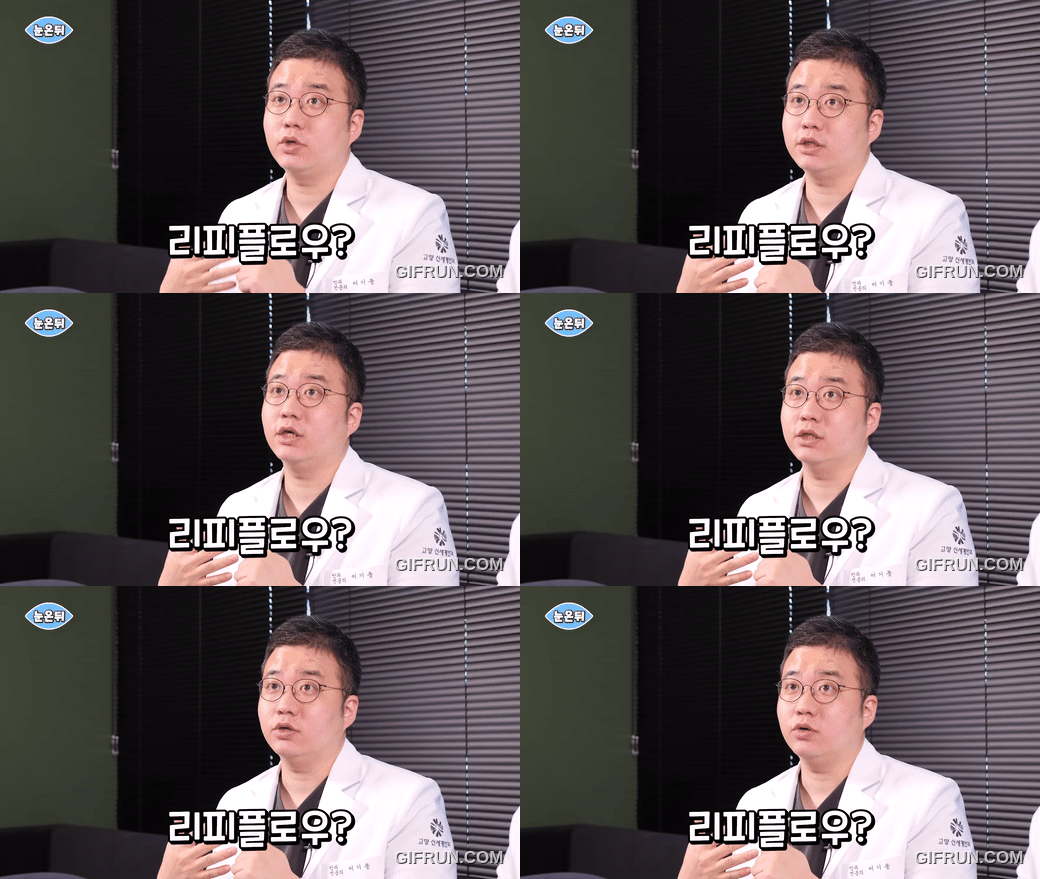
How Does LipiFlow Work for Dry Eye Syndrome?
LipiFlow is a treatment that uses controlled heat and pressure to help manage the glands located in the eyelids.
A specially designed device is placed over the eye and eyelids, similar to wearing a contact lens, and delivers controlled heat at approximately 40°C.
The heat helps soften hardened or thickened gland secretions. Gentle pressure is then applied to the inner and outer surfaces of the eyelids to help express accumulated material from the glands.
Step Description Step 1 Placement of the specialized device Step 2 Delivery of controlled heat at approximately 40°C Step 3 Softening of hardened gland secretions Step 4 Application of pressure to the inner and outer eyelids Step 5 Assistance with the expression of accumulated secretions
In other words, LipiFlow for dry eye syndrome works differently from simply adding moisture to the surface of the eye.
It is designed to focus on the function of the meibomian glands, which are closely related to the formation and stability of the tear film’s oil layer.

Artificial Tears vs. LipiFlow: What Is the Difference?
The two approaches serve different purposes.
Artificial tears are generally used to supplement moisture on the surface of the eye.
However, if the function responsible for forming the oil layer is impaired, the added moisture may evaporate quickly, causing dryness to return.
Therefore, if you frequently use artificial tears but continue to experience dryness, grittiness, or irritation, it may be more helpful to identify the underlying cause rather than simply increasing how often you use eye drops.
In particular, if the openings of the meibomian glands are blocked or oil secretion is reduced, the condition of the glands should be evaluated before determining an appropriate management plan.

Q&A | Common Questions About LipiFlow for Dry Eye Syndrome
Q. Why do my eyes still feel dry even when I use artificial tears?
A. In addition to insufficient moisture, the problem may be related to inadequate formation of the tear film’s oil layer.
If there is not enough oil on the surface of the eye, moisture may evaporate more quickly, causing dryness to return.
Q. Does everyone with dry eye syndrome need LipiFlow?
A. No. Dry eye syndrome can have many different causes, so the same treatment is not appropriate for every patient.
It is important to first determine whether the problem is primarily related to insufficient moisture, abnormal oil secretion, or another contributing factor before considering the most appropriate treatment or management method.
Dry eye syndrome cannot be explained simply as a condition caused by insufficient moisture.
Several factors may contribute, including the composition of the tear film, oil secretion from the eyelids, lifestyle habits, environmental conditions, and medications currently being taken.
In particular, if the meibomian glands are not functioning properly, the oil layer may not form adequately, allowing moisture on the surface of the eye to evaporate more easily.
LipiFlow is a treatment that uses controlled heat and pressure to help soften and express hardened secretions from the meibomian glands in these cases.
Therefore, if dryness continues despite using artificial tears, it is important not to rely repeatedly on only one approach. Instead, the cause should be evaluated to determine whether the problem involves insufficient moisture, an unstable oil layer, or impaired gland function in the eyelids.
Thank you.