
Hello, this is Goyang Shinsegae Eye Clinic.
In recent years, children have been spending more time using smartphones and tablets, while also engaging in longer periods of near work for studying.
As a result, myopia is increasingly developing at a younger age.
In particular, because a child’s eyes continue to grow along with the rest of the body, myopia may progress rapidly during the growing years. For this reason, regular monitoring is important.
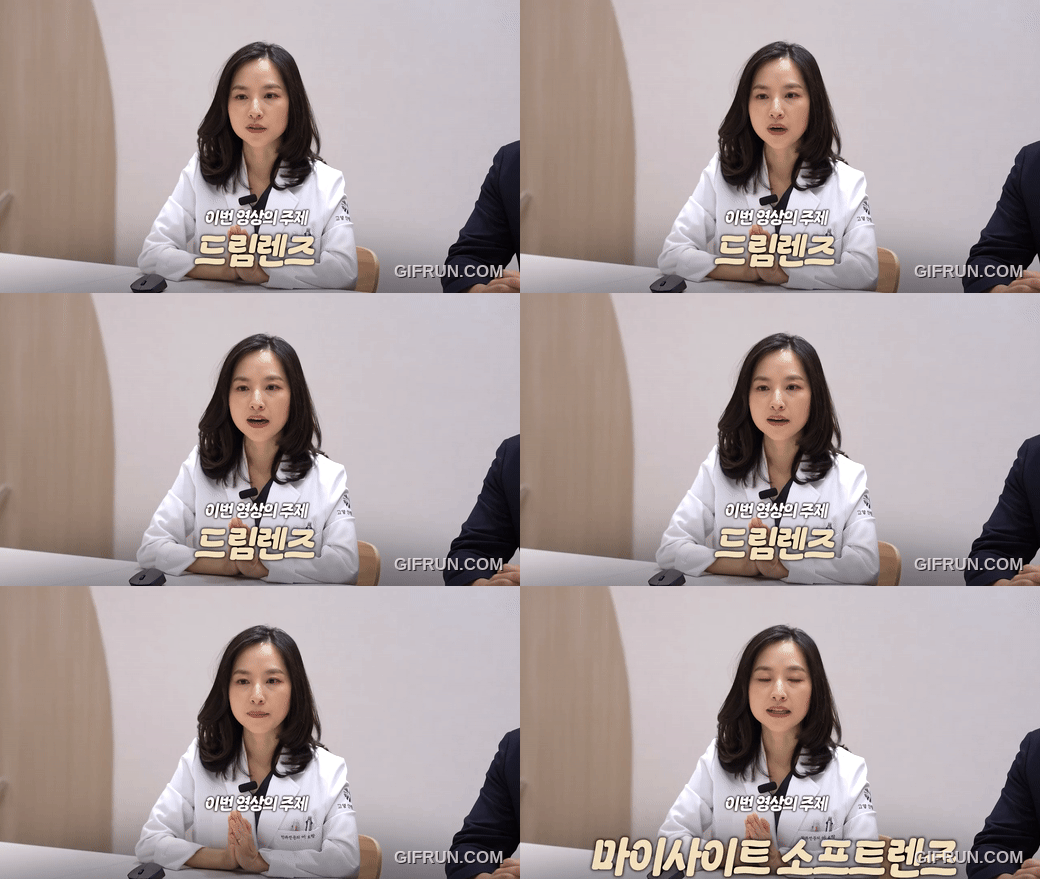
When a child begins to develop myopia, many parents consider orthokeratology lenses, commonly known as Dream Lenses.
For parents looking for an eye clinic in Wondang-dong, today we will take a closer look at the appropriate age for orthokeratology lens wear, their potential benefits, and important precautions.

1. Why Does Myopia Develop in Children?
Myopia is a refractive error in which nearby objects can be seen clearly, while distant objects appear blurred.
One of the most common causes is an increase in the axial length of the eye, which refers to the distance from the front to the back of the eyeball.
When the axial length becomes too long, incoming light is focused in front of the retina rather than directly on it, making distant objects difficult to see clearly.
Myopia may also occur when the refractive power of the cornea or lens is too strong.
In addition, lifestyle habits such as prolonged reading or using smartphones and tablets at close distances are known to be associated with the development and progression of myopia.
During childhood and adolescence, the axial length of the eye may continue to increase as the body grows, which can cause the degree of myopia to change over a relatively short period.
Therefore, regular examinations are important to monitor both myopia progression and changes in axial length.
2. What Are Orthokeratology Lenses for Children?
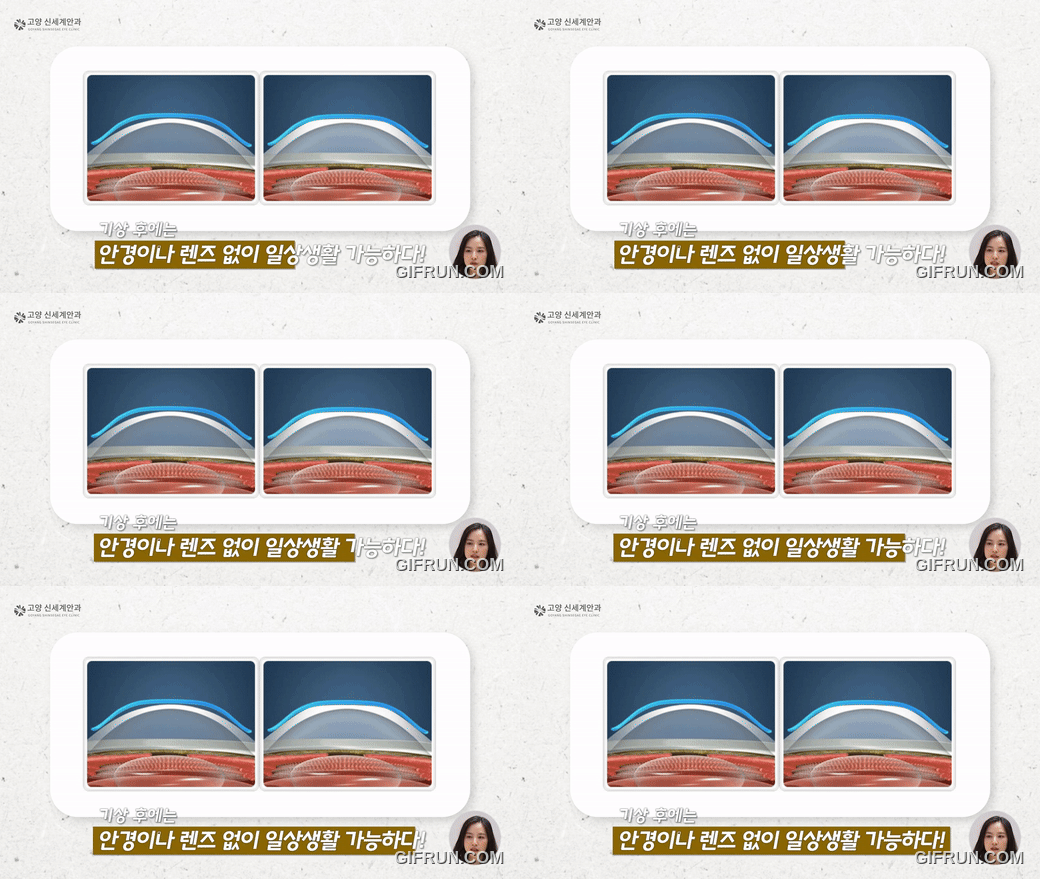
Orthokeratology lenses are specially designed rigid gas-permeable contact lenses that are worn during sleep.
While the child is sleeping, the lenses temporarily reshape the central cornea so that light can focus more appropriately on the retina.
After the lenses are removed in the morning, the child may be able to see clearly for a certain period of time without wearing glasses during the day.
However, if lens wear is discontinued, the cornea gradually returns to its original shape, and the vision-correcting effect also decreases.
For this reason, the lenses should be worn regularly according to the ophthalmologist’s prescription and instructions.

3. What Are the Benefits, and At What Age Can Children Start Wearing Them?
1) Greater convenience without glasses during the day
Children who participate frequently in sports or physical activities may experience inconveniences such as glasses slipping down, becoming damaged, or interfering with movement.
Because orthokeratology lenses are mainly worn while sleeping, they can provide greater convenience during daytime activities.
2) Potential to slow the progression of childhood myopia
In addition to correcting vision during the day, orthokeratology lenses may help slow axial elongation and the progression of myopia in growing children.
So, at what age can a child begin wearing them?
In general, orthokeratology lenses may be considered from around the age of six.
However, suitability depends on factors such as the child’s corneal condition, degree of myopia and astigmatism, ability to cooperate with lens care, and overall eye health.
Therefore, an eye examination should be performed first to determine whether orthokeratology lenses are appropriate.
4. Why Is a Detailed Eye Examination Important?
Orthokeratology lenses should be selected based on each child’s individual corneal shape and refractive condition.
Before prescribing the lenses, examinations may include:
-Corneal topography
-Axial length measurement
-Myopia and astigmatism assessment
-Visual acuity and refraction testing
-Tear film and ocular surface evaluation
-Assessment of overall corneal health
Corneal topography is particularly useful for closely evaluating the shape and curvature of the cornea.
Axial length measurement is also helpful for monitoring how much myopia is progressing during a child’s growth period.
By evaluating these results together, the appropriate lens curvature, diameter, power, and design can be determined.
This process is important for achieving a stable fit and appropriate vision correction.
5. What Should You Consider When Choosing an Eye Clinic in Wondang-dong?
First, it is important to check whether an ophthalmologist reviews the results of a detailed eye examination and prescribes lenses that are appropriate for the child’s individual eye condition.
Each child has a different corneal size and shape, as well as different degrees of myopia and astigmatism.
Therefore, it is also important to determine whether the clinic can select an appropriate lens design from several available options.
The child’s adaptation process should also be taken into consideration.
When first wearing the lenses, some children may experience a foreign-body sensation or have difficulty inserting and removing them.
For this reason, both the child and parent should receive proper instruction on lens insertion, removal, cleaning, and storage.
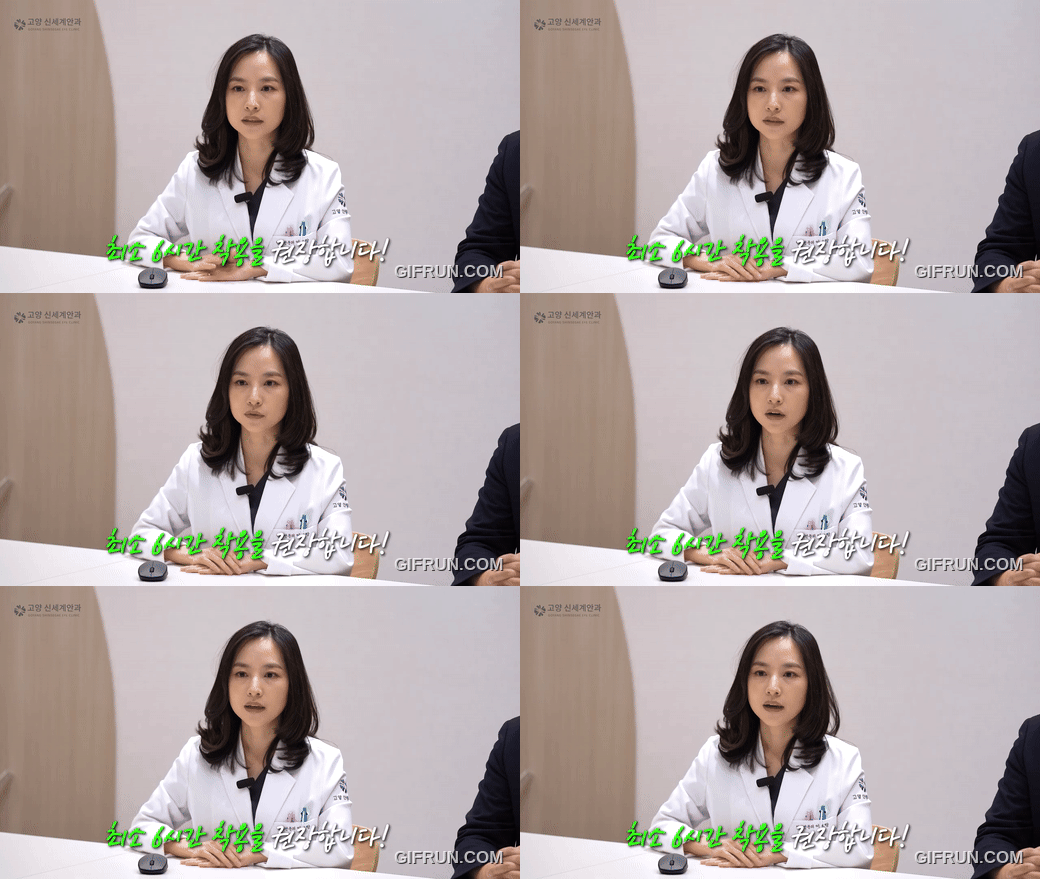
If trial fitting is available, it may also be helpful to evaluate the actual lens fit, the child’s ability to adapt, and the corrected visual acuity before making a final decision.
6. Precautions
Before handling the lenses, always wash your hands thoroughly with soap and dry them completely.
If the eyes become severely red or painful, or if the child experiences persistent foreign-body sensation, increased eye discharge, or sudden vision loss, lens wear should be stopped immediately and an ophthalmologist should be consulted.
Regular eye examinations are necessary even when there is no noticeable discomfort.
At scheduled follow-up visits, it is recommended to monitor the condition of the cornea, lens fit, corrected visual acuity, degree of myopia, and changes in axial length over time.