
Hello, this is Goyang Shinsegae Eye Clinic, an ophthalmology clinic serving the Ilsan area.
Our eyes play an essential role in everyday life.
However, many eye diseases cause few or no noticeable symptoms in their early stages. By the time a person notices a problem and visits an eye clinic, the condition may already have progressed.
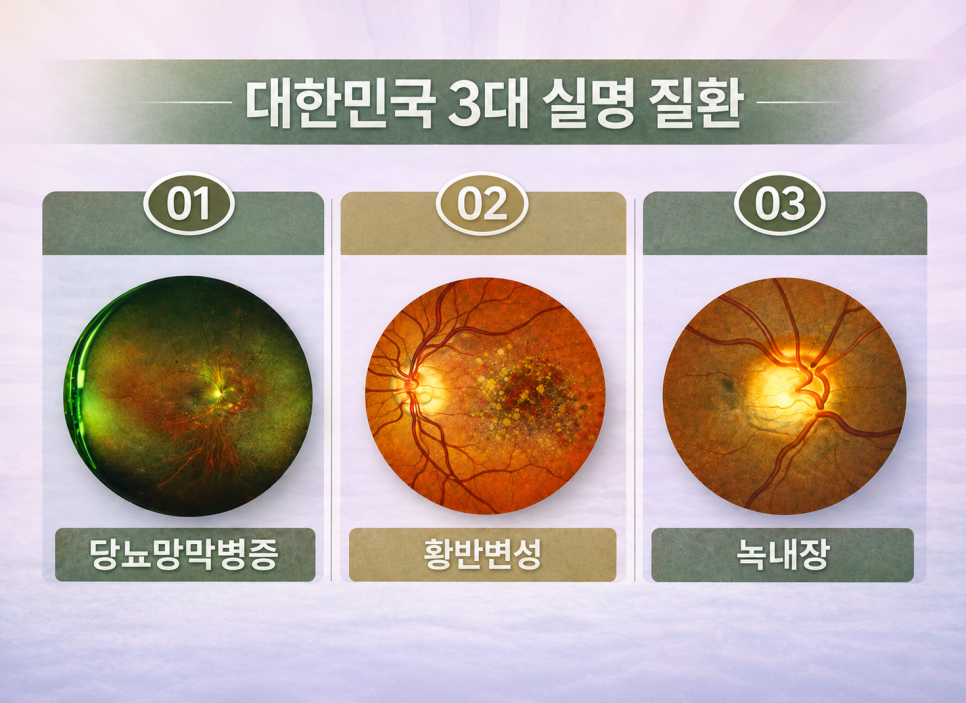
Diabetic retinopathy, age-related macular degeneration, and glaucoma are three major sight-threatening eye diseases. Early detection and timely management are essential for protecting vision.
Today, we will explain the recommended screening intervals for these three conditions and why regular eye examinations are important.

Diabetic Retinopathy: Annual Eye Examinations Are Recommended for People With Diabetes
Diabetic retinopathy is a common complication of diabetes that occurs when high blood sugar damages the small blood vessels in the retina.
When blood glucose levels remain elevated for an extended period, the retinal blood vessels may become damaged, leading to bleeding or swelling. As the condition progresses, abnormal new blood vessels may develop and cause complications such as vitreous hemorrhage or retinal detachment.
Because diabetic retinopathy often causes no noticeable symptoms in its early stages, regular eye examinations are important even when vision appears normal.
People with type 1 diabetes are generally advised to receive their first comprehensive eye examination within approximately five years of diagnosis. Those with type 2 diabetes are usually advised to undergo an eye examination at the time of diagnosis.
After the initial examination, a dilated fundus examination and retinal assessment are generally recommended at least once a year.
If diabetic retinopathy has already been detected, the examination interval may be adjusted according to the severity and progression of the condition.
At our Ilsan eye clinic, retinal health can be evaluated using fundus examinations, optical coherence tomography (OCT), and other appropriate tests.
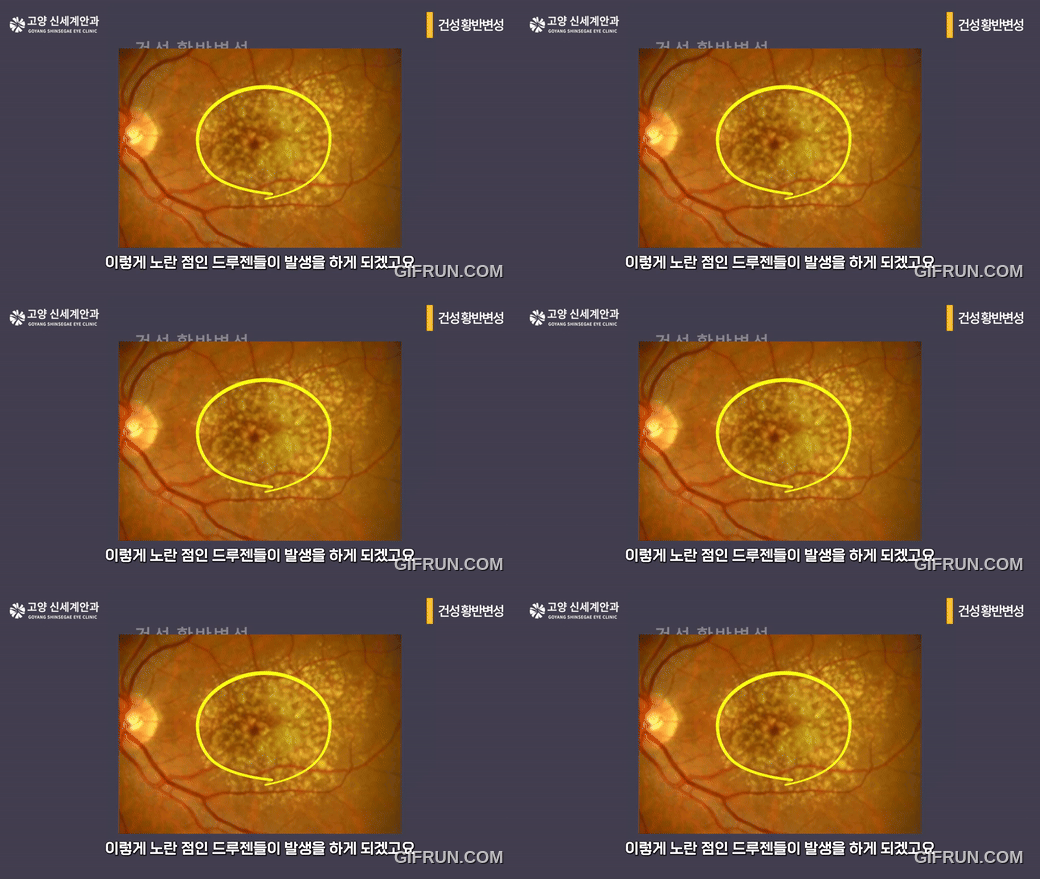
Age-Related Macular Degeneration: Regular Screening Is Important After Age 50
Age-related macular degeneration is a condition involving degenerative changes in the macula, the central part of the retina. The risk of developing the condition increases with age.
The macula is responsible for detailed central vision used for activities such as reading, driving, and recognizing faces. Damage to this area can significantly affect everyday life.
Common symptoms include straight lines appearing bent or distorted, letters looking warped, and blurred or missing areas in the center of vision. However, some people may not notice any symptoms during the early stages.
People aged 50 or older, as well as those with risk factors such as a family history of macular degeneration, smoking, or high blood pressure, are generally advised to undergo an eye examination about once a year.
If macular degeneration has already been diagnosed, follow-up OCT examinations may be performed every few months, depending on the condition of the retina.
At our Madu eye clinic, the macula is carefully evaluated, and an individualized management plan is established based on each patient’s eye health.
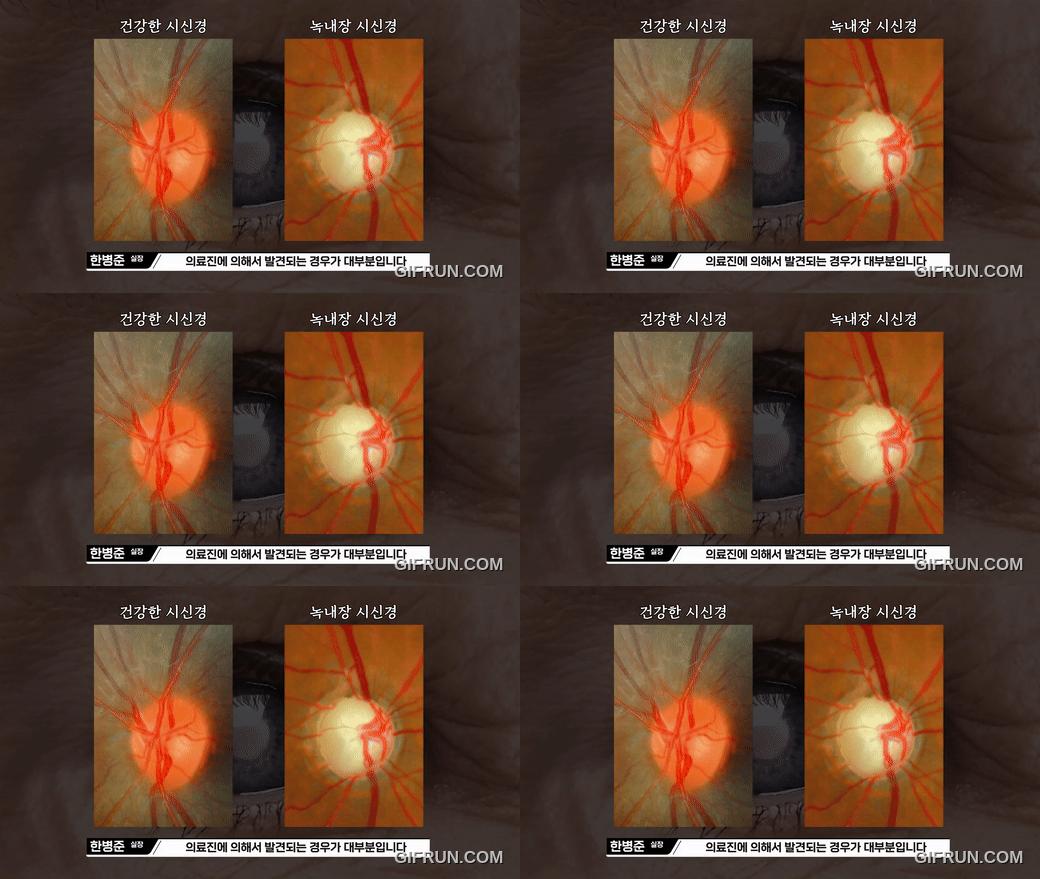
Glaucoma: Screening Is Necessary Even Without Symptoms
Glaucoma is a condition in which damage to the optic nerve gradually causes peripheral vision loss.
Because it often produces few or no noticeable symptoms in its early stages, glaucoma is sometimes called the “silent thief of sight.” In many cases, it is not detected until a significant portion of the visual field has already been affected.
Risk factors for glaucoma include a family history of the disease, high myopia, older age, diabetes, high blood pressure, and elevated intraocular pressure.
After the age of 40, a comprehensive eye examination is generally recommended every one to two years. People with a family history of glaucoma or other risk factors may need more frequent examinations after consulting an ophthalmologist.
Once glaucoma has been diagnosed, follow-up examinations may be required every three to six months—or at another interval recommended by the ophthalmologist—to monitor intraocular pressure, the visual field, and the condition of the optic nerve.
At our eye clinic near Madu Station, intraocular pressure testing, visual field testing, and OCT imaging are used to monitor changes in the optic nerve.

Who Should Receive Regular Eye Examinations?
Regular eye examinations are advisable even in the absence of symptoms if you:
✔ Have been diagnosed with diabetes
✔ Are over 40 and have risk factors for glaucoma
✔ Are aged 50 or older
✔ Have a family history of macular ✔ degeneration or glaucoma
Have high myopia, high blood pressure, diabetes, or another chronic condition
The appropriate screening interval may vary depending on your age, overall health, eye condition, and individual risk factors. It is important to consult an ophthalmologist and establish an examination schedule suited to your needs.
Diabetic retinopathy, age-related macular degeneration, and glaucoma all require early detection and ongoing management.
Appropriate treatment and regular monitoring may help slow the progression of vision loss.
Even if you do not currently have any noticeable symptoms, regular eye examinations can help identify changes in your eye health at an early stage.
Goyang Shinsegae Eye Clinic and other ophthalmology clinics in the Ilsan area provide comprehensive evaluations using fundus examinations, OCT imaging, visual field testing, and other diagnostic methods.
Regular eye examinations are an important part of protecting your vision for years to come.
Thank you.